judicial-leaders

Court Leaders

bring our confidential, critical services to your court

Sustain Institutional Trust

Court leadership is not simply an extension of judging or administration. It is a distinct role—one that blends authority with accountability, decision-making with diplomacy, and operational oversight with public trust.

Most court leaders recognize this shift quickly.

  • They inherit systems that predate them.
  • They manage people with different roles, expectations, and constraints.
  • They make decisions that affect not just cases, but culture, morale, and credibility.

Court leadership reshapes the work.

Success is measured less by individual rulings and more by how well the institution functions under pressure.

Judicial consulting supports that responsibility.

Our services are designed specifically for court leaders—clerks of court and supervisory judges—who want to lead effectively, ethically, and with a clear understanding of how courts actually operate as institutions.

Courtroom and Court Operations Experience

This work is grounded in decades of judicial experience—leading courtrooms, working alongside clerks and administrators, mentoring supervisory judges, and observing how leadership decisions shape court culture and performance.

  • We do not offer generic management training.
  • We do not impose corporate leadership models.
  • We do not overlook the unique constraints of courts.

Instead, we help court leaders:

  • Strengthen operational decision-making and workflow
  • Align judicial authority with administrative leadership
  • Improve communication across judges, staff, and stakeholders
  • Navigate ethical boundaries unique to court leadership roles
  • Build durable systems that support fairness, efficiency, and accountability

The focus is not control. It is stewardship.

Who This Is For

Our judicial consulting services are designed for:

  • Clerks of court and court administrators
  • Supervisory, presiding, and administrative judges
  • Judicial leaders responsible for staff, dockets, or divisions
  • Courts navigating growth, change, or increased scrutiny
  • Leaders committed to institutional integrity and public confidence

If your role requires balancing people, process, and principle, these services are designed for you.

A Stewardship-Based Approach to Court Leadership

Courts are trusted institutions. That trust is sustained—or undermined—by leadership decisions made every day, often outside public view. Effective court leadership requires intention, discipline, and a deep understanding of how courts function as systems.

Our Services for Court Leaders

Administrative Hearing System Design

Create or refine administrative hearing systems that are fair, efficient, and aligned with due process best practices.

Chambers Workflow and Efficiency Review

Optimize how your chambers operates with a focused review that improves efficiency, clarity, and daily judicial workflow.

Court Culture and Climate Assessments

Gain a clear picture of your court’s internal culture with a confidential assessment that highlights strengths and growth opportunities.

Courthouse and Courtroom Design Consultation

Designing court spaces that work for judges, juries, and the public

Curriculum Design for Judicial Education

Build impactful judicial education programs with expert curriculum design grounded in adult learning and bench experience.

Independent Judicial Inquiries and Investigations

Ensure trust and transparency through discreet, independent inquiries conducted by seasoned judicial professionals.

Judicial Evaluation Program Development

Build a fair, credible judicial evaluation system that promotes professionalism, accountability, and continuous improvement.

Judicial Security Consulting

Protect yourself and your family with expert guidance on judicial safety, personal security, and risk awareness.

Judicial Selection Consulting

Strengthen your judicial selection process with impartial, experience-based evaluation, ranking, and interview consultation or participation.

Leadership Coaching for Presiding Judges

Lead your court with confidence through individualized coaching focused on administration, communication, and team dynamics.

Review of Court System Professional Development Programs

Enhance your court’s training efforts with a comprehensive review that identifies gaps and modernizes professional development.

Our Classes for Court Leaders

Best Practices for Courthouse Leadership

To guide judges in applying leadership principles to courthouse management, fostering ethical, communicative, and effective oversight of operations and staff.

Comprehensive Courtroom and Facility Preparation

To prepare judges for optimizing courtroom setups, coordinating with staff for safe and effective proceedings across case types.

Fundamentals of Judicial Security

To introduce judges to the core concepts and vocabulary of judicial security so they can recognize their own role within a broader security system.

Judicial Authority and Leadership in Technological Systems

To position judges as leaders in court technology adoption, evaluating benefits and challenges for improved access and efficiency.

Leadership Through Community Engagement

To guide judges in appropriate community involvement, highlighting benefits and boundaries to enhance leadership while preserving judicial impartiality.

Measuring and Improving Docket Performance

To introduce metrics for docket efficiency, empowering judges to audit and collaborate on improvements for better judicial performance.

Practical Judicial Security at Work and Home

To provide judges with practical, everyday security habits for chambers, courthouse, home, and travel that reduce risk without paralyzing daily life.

Preserving the Irreplaceable Human Element in Judging

To affirm the essential human aspects of judging amid technological advances, ensuring balanced integration that maintains trust and judgment.

Preventing and Addressing Judicial Burnout

To equip judges with strategies for preventing, recognizing, and responding to burnout in ways that are realistic, ethical, and sustainable over a long judicial career.

Recognizing and Managing Judicial Stress

To help judges identify, normalize, and manage the unique stresses of judicial work before those stresses degrade judgment or health.

Security Preparation and Risk Assessment

To train judges in threat assessment and security protocols, balancing safety with public access to the courts.

The Judge as Leader in the Courthouse: Overview and Principles

To outline the judge’s leadership role in the courtroom, distinguishing operational and procedural aspects while addressing challenges that impact public perceptions of justice.

The Judge as Public Face of the Rule of Law

To emphasize the judge’s role in embodying the legal system, exploring ways to maintain public trust through conduct that balances independence and accountability.

Understanding and Managing Different Docket Types

To familiarize judges with various docket demands, aiding in prioritization and management to deliver timely justice.

Understanding Your Courthouse Team

To equip judges with knowledge of courthouse team roles and functions, promoting collaborative relationships that enhance judicial efficiency and the administration of justice.

Books for Court Leaders

We do not currently have any in our catalog but we would be happy to design something for your needs.

Get the Bench Book!

the essential guide for judges

Remember:
For your library . . .
Crimes and Punishments: Entering the Mind of a Sentencing Judge
Free to Judge: The Power of Campaign Money in Judicial Elections
Biased: Uncovering the Hidden Prejudice That Shapes What We See, Think, and Do
Law of Judicial Precedent
The Gift of Fear
The Book of Judges: Perspectives from the Bench
The Judge in a Democracy
A Matter of Interpretation: Federal Courts and the Law
Making Your Case: The Art of Persuading Judges
Reading Law: The Interpretation of Legal Texts
My Own Words
The Nature of the Judicial Process
Writing Deskbook for Administrative Judges: An Introduction
On Writing Well
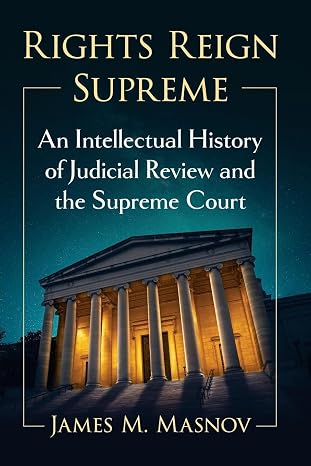
Rights Reign Supreme: An Intellectual History of Judicial Review and the Supreme Court
Judicial Decision-Making: A Coursebook
Point Taken: How to Write Like the World’s Best Judges
Over Ruled: The Human Toll of Too Much Law
Judicial Recusal: Principles, Process and Problems
The Great Dissenter: The Story of John Marshall Harlan, America’s Judicial Hero
A Judge’s Advice: 50 Years on the Bench
The Rule of Law
The Elements of Legal Style (2nd ed.)
The Supreme Court and the Attitudinal Model Revisited
Point Made: How to Write Like the Nation’s Top Advocates (2nd ed.)
Rehabilitating Criminal Justice: Innovations in Policing, Adjudication, and Sentencing
The Federalist Papers
Judging Statutes
Disrobed: An Inside Look at the Life and Work of a Federal Trial Judge
The Least Dangerous Branch
The Authority of Law
Noise: A Flaw in Human Judgment
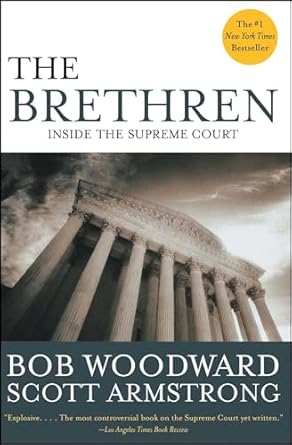
The Brethren: Inside the Supreme Court
Listening to the Law: Reflections on the Court and Constitution
Weapons of Math Destruction
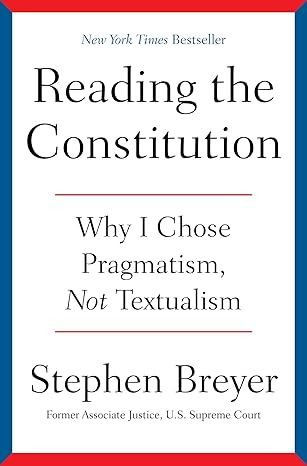
Reading the Constitution: Why I Chose Pragmatism, Not Textualism
How Judges Think
The Supreme Guide to Writing
The Behavior of Federal Judges
Sentencing the Self-Convicted: The Ethics of Pleading Guilty
Scalia Speaks: Reflections on Law, Faith, and Life Well Lived
The Machinery of Criminal Justice
Judicial Reputation: A Comparative Theory
How Judges Decide Cases: Reading Writing
Democracy and Distrust
Race on the Brain: What Implicit Bias Gets Wrong About the Struggle for Racial Justice
So Ordered: The Writer’s Guide for Aspiring Judges, Judicial Clerks, and Interns
Who Am I to Judge?: Judicial Craft versus Constitutional Theory
The Path of the Law
Law’s Empire
Opinion Writing (3rd ed.)
Legal Writing: A Judge’s Perspective on the Science and Rhetoric of the Written Word
Implicit Racial Bias across the Law
Thinking, Fast and Slow
Blindspot: Hidden Biases of Good People
Thinking Like a Lawyer
Taking Rights Seriously
Sentencing without Guidelines
Getting to Yes: Negotiating Agreement Without Giving In
Judicial Character in Hard Times: On the Role of Judicial Virtues in Defending the Rule of Law
An Introduction to Implicit Bias
The Death of Common Sense: How Law Is Suffocating America
Scroll to Top