Join Us as a Judicial Consultant
help us build our bench strength
Continue Your Service. Expand Your Impact.
For many judges, the work does not end with the last docket call or the final written decision. The impulse to teach, to mentor, and to improve the systems that support justice often grows stronger with experience.
We exist for judges who feel that pull.
Our consulting work is grounded in the belief that the judiciary is strengthened when those who have served on the bench share what they have learned. We work with courts, judicial education bodies, legal institutions, and justice-system stakeholders to improve how courts function, how judges are supported, and how the rule of law is experienced in practice.
Who We Are Looking For
We invite current, former, and retired judges who:
-
Have demonstrated excellence, professionalism, and sound judgment on the bench
-
Are committed to judicial education, mentorship, or institutional improvement
-
Understand the distinction between advocacy and judicial leadership
-
Can translate experience into insight that others can learn from
-
Are respected by peers for integrity, temperament, and fairness
Our consultants are not simply subject-matter experts. They are educators, leaders, and exemplars of judicial professionalism.
What Consulting With Us Looks Like
Judicial consultants may work in a variety of roles, including:
-
Teaching or contributing to judicial education programs
-
Advising courts or institutions on best practices, operations, or culture
-
Assisting with curriculum development, training design, or evaluation
-
Mentoring judges and court leaders
-
Participating in system-level improvement initiatives
Engagements are structured, ethical, and aligned with applicable judicial canons and post-service restrictions. We take those obligations seriously—and expect our consultants to do the same.
We do not accept every expression of interest. Selection is based on:
-
Judicial experience and demonstrated competence
-
Professional reputation and peer respect
-
Alignment with our educational mission and values
-
Ability to contribute constructively, collegially, and responsibly
This selectivity protects the integrity of our work, the credibility of our consultants, and the institutions we serve.
Why Judges Choose to Work With Us
Judges who join us often do so because they want to:
-
Continue contributing to the judiciary in a meaningful way
-
Share lessons learned without ego or agenda
-
Help strengthen courts, judges, and justice systems
-
Be part of a community that values thoughtful, principled leadership
This is not about stepping away from the bench—it is about extending its influence.
If this sounds like you, let’s talk.
Call us now at: 1-844-4GAVELS (844-442-8357)
Or submit this form:

Remember:
Never speak to win.
Your task is to explain, not convince.
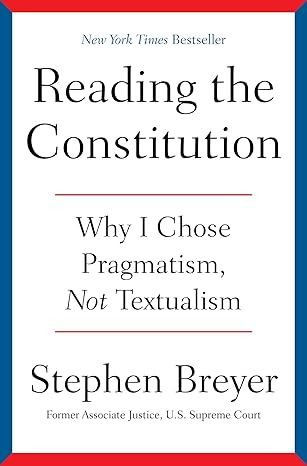
For your library . . .