judicial-educators

Judicial Educators

we salute the importance of sound judicial education

Shape Judicial Practice

Judicial education is not simply the transmission of information. It is the disciplined preparation of judges for responsibility, discretion, and decision-making under real-world conditions. Effective judicial education must bridge doctrine and practice, principle and performance.

Most judicial educators understand this tension.

  • They teach rules that must be applied in imperfect settings.
  • They train judges who arrive with experience, confidence, and deeply formed habits.
  • They operate within time constraints that leave little room for abstraction.

Judicial education carries institutional weight.

What is taught—and how it is taught—directly shapes how judges perform on the bench.

Judicial consulting supports that mission.

Our services are designed specifically for judicial educators who want to strengthen curriculum, improve instructional design, and ensure that education translates into better judging in practice.

Informed by Teaching and Judicial Development

This work is grounded in decades of judicial experience—serving as a judicial educator, mentoring judges at all stages, developing training materials, and observing what education actually changes behavior on the bench.

  • We do not offer generic pedagogy.
  • We do not rely on academic abstraction.
  • We do not separate education from application.

Instead, we help judicial educators:

  • Design practice-centered judicial training
  • Align education with ethical and institutional expectations
  • Translate complex concepts into usable judicial frameworks
  • Develop materials that support retention and application
  • Evaluate training effectiveness beyond attendance and satisfaction

The focus is not coverage. It is competence.

Who This Is For

Our judicial consulting services are designed for:

  • Judicial educators and faculty
  • Judicial colleges and training institutions
  • Courts responsible for in-house education
  • Program designers and curriculum developers
  • Leaders responsible for judicial professional development

If your role is to prepare judges for the realities of the bench—not just the rules that govern it—these services are designed for you.

A Practice-Driven Approach to Judicial Education

Judicial education succeeds when it changes how judges think, decide, and lead. That requires intention, rigor, and a deep understanding of judicial practice.

Our Services for Judicial Educators

Curriculum Design for Judicial Education

Build impactful judicial education programs with expert curriculum design grounded in adult learning and bench experience.

Independent Judicial Inquiries and Investigations

Ensure trust and transparency through discreet, independent inquiries conducted by seasoned judicial professionals.

Judicial Evaluation Program Development

Build a fair, credible judicial evaluation system that promotes professionalism, accountability, and continuous improvement.

Review of Court System Professional Development Programs

Enhance your court’s training efforts with a comprehensive review that identifies gaps and modernizes professional development.

Our Classes for Judicial Educators

We do not currently have any in our catalog but we would be happy to design something for your needs.

Books for Judicial Educators

Book cover
Oliver Wendell Holmes Jr.

Get the Bench Book!

the essential guide for judges

Remember:
For your library . . .
Blindspot: Hidden Biases of Good People
The Authority of Law
The Death of Common Sense: How Law Is Suffocating America
Point Taken: How to Write Like the World’s Best Judges
Sentencing the Self-Convicted: The Ethics of Pleading Guilty
The Elements of Legal Style (2nd ed.)
Implicit Racial Bias across the Law
Writing Deskbook for Administrative Judges: An Introduction
Race on the Brain: What Implicit Bias Gets Wrong About the Struggle for Racial Justice
Over Ruled: The Human Toll of Too Much Law
Weapons of Math Destruction
Law’s Empire
How Judges Decide Cases: Reading Writing
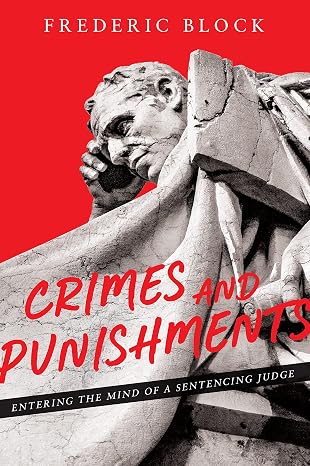
Crimes and Punishments: Entering the Mind of a Sentencing Judge
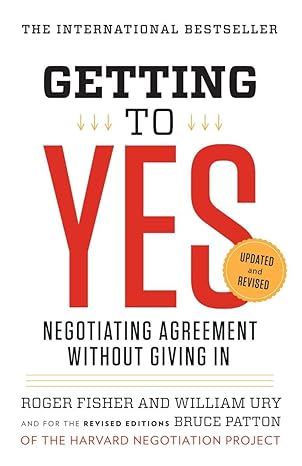
Getting to Yes: Negotiating Agreement Without Giving In
The Nature of the Judicial Process
Rehabilitating Criminal Justice: Innovations in Policing, Adjudication, and Sentencing
Judicial Reputation: A Comparative Theory
How Judges Think
The Book of Judges: Perspectives from the Bench
The Great Dissenter: The Story of John Marshall Harlan, America’s Judicial Hero
Noise: A Flaw in Human Judgment
The Least Dangerous Branch
Taking Rights Seriously
Judging Statutes
The Judge in a Democracy
Thinking, Fast and Slow
Judicial Recusal: Principles, Process and Problems
Judicial Decision-Making: A Coursebook
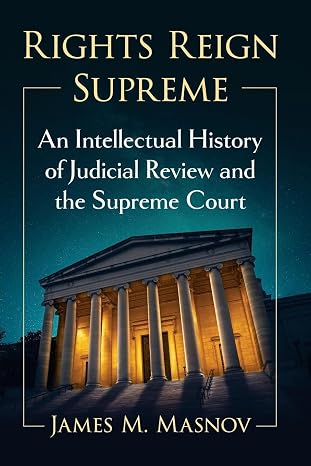
Rights Reign Supreme: An Intellectual History of Judicial Review and the Supreme Court
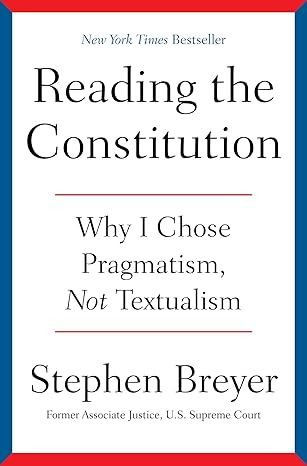
Reading the Constitution: Why I Chose Pragmatism, Not Textualism
Scalia Speaks: Reflections on Law, Faith, and Life Well Lived
On Writing Well
The Behavior of Federal Judges
The Path of the Law
Biased: Uncovering the Hidden Prejudice That Shapes What We See, Think, and Do
My Own Words
Disrobed: An Inside Look at the Life and Work of a Federal Trial Judge
Judicial Character in Hard Times: On the Role of Judicial Virtues in Defending the Rule of Law
The Federalist Papers
A Matter of Interpretation: Federal Courts and the Law
The Supreme Court and the Attitudinal Model Revisited
Free to Judge: The Power of Campaign Money in Judicial Elections
A Judge’s Advice: 50 Years on the Bench
The Rule of Law
Sentencing without Guidelines
Reading Law: The Interpretation of Legal Texts
So Ordered: The Writer’s Guide for Aspiring Judges, Judicial Clerks, and Interns
Thinking Like a Lawyer
An Introduction to Implicit Bias
Legal Writing: A Judge’s Perspective on the Science and Rhetoric of the Written Word
Making Your Case: The Art of Persuading Judges
The Gift of Fear
Who Am I to Judge?: Judicial Craft versus Constitutional Theory
Opinion Writing (3rd ed.)
Democracy and Distrust
The Supreme Guide to Writing
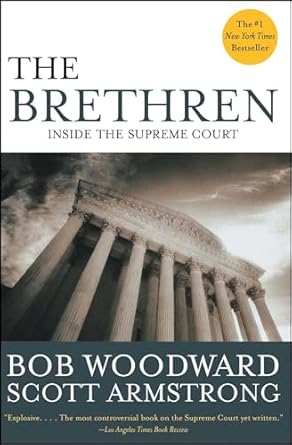
The Brethren: Inside the Supreme Court
Point Made: How to Write Like the Nation’s Top Advocates (2nd ed.)
The Machinery of Criminal Justice
Listening to the Law: Reflections on the Court and Constitution
Law of Judicial Precedent
Scroll to Top