The Bench Index™

judicial core competencies

An Adaptable Judicial Assessment Tool

The Bench Index™ was developed as a comprehensive framework for understanding what judicial excellence looks like in practice—not just legally, but professionally, ethically, and institutionally.

In The Bench Book: The Essential Guide for Judges, the Bench Index™ was introduced as a set of judicial core competencies designed to help judges reflect on their role, develop their skills, and understand the responsibilities that come with judicial authority. Those competencies—spanning judicial character, decision-making, governance, leadership, and human interaction—form the conceptual backbone of the book.

But for courts, judicial nominating commissions, and evaluation bodies, the question is not simply what judicial excellence looks like.

It is how to assess it—fairly, consistently, and defensibly.

That is where the licensed version of The Bench Index™ comes in.

From Conceptual Framework to Institutional Assessment

The version of the Bench Index™ described in the book is intentionally descriptive and educational. It is designed to help judges and aspiring judges understand the competencies the role demands.

The licensed Bench Index™ assessment framework takes the next step: it translates those competencies into a structured, behavior-anchored evaluation tool that courts and agencies can use for:

  • judicial selection and appointment processes

  • performance evaluation of sitting judges

  • professional development and mentoring

  • leadership assessment and court improvement initiatives

The licensed framework includes assessment structures, performance-level descriptors, customization guidance, and implementation support that are not part of the book and are not publicly available.

Why Use the Licensed Bench Index™

Judicial assessment is a high-stakes institutional responsibility. Courts and agencies need tools that are:

  • transparent without being political

  • rigorous without being rigid

  • adaptable to different court systems and dockets

  • defensible under internal and external scrutiny

The Bench Index™ assessment framework was designed specifically to meet those needs—by a judge, for judicial systems.

Learn More About the Bench Index™

If you are responsible for judicial selection, evaluation, or court leadership—and want to learn how the Bench Index™ functions as an institutional assessment tool—click to explore the full framework.

Get the Bench Book!

the essential guide for judges

Remember:
For your library . . .
Scalia Speaks: Reflections on Law, Faith, and Life Well Lived
So Ordered: The Writer’s Guide for Aspiring Judges, Judicial Clerks, and Interns
How Judges Think
Thinking, Fast and Slow
Noise: A Flaw in Human Judgment
Judicial Recusal: Principles, Process and Problems
Sentencing without Guidelines
The Great Dissenter: The Story of John Marshall Harlan, America’s Judicial Hero
Disrobed: An Inside Look at the Life and Work of a Federal Trial Judge
Implicit Racial Bias across the Law
Weapons of Math Destruction
Making Your Case: The Art of Persuading Judges
The Path of the Law
The Federalist Papers
Judicial Reputation: A Comparative Theory
Rehabilitating Criminal Justice: Innovations in Policing, Adjudication, and Sentencing
Over Ruled: The Human Toll of Too Much Law
The Machinery of Criminal Justice
Judging Statutes
Judicial Decision-Making: A Coursebook
Race on the Brain: What Implicit Bias Gets Wrong About the Struggle for Racial Justice
The Book of Judges: Perspectives from the Bench
Opinion Writing (3rd ed.)
A Judge’s Advice: 50 Years on the Bench
The Authority of Law
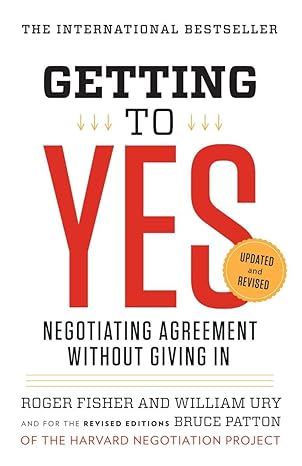
Getting to Yes: Negotiating Agreement Without Giving In
The Least Dangerous Branch
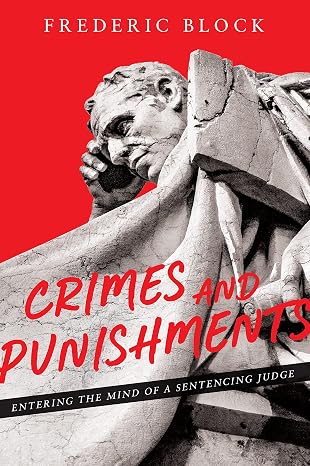
Crimes and Punishments: Entering the Mind of a Sentencing Judge
The Judge in a Democracy
Who Am I to Judge?: Judicial Craft versus Constitutional Theory
An Introduction to Implicit Bias
Legal Writing: A Judge’s Perspective on the Science and Rhetoric of the Written Word
Free to Judge: The Power of Campaign Money in Judicial Elections
Reading Law: The Interpretation of Legal Texts
Reading the Constitution: Why I Chose Pragmatism, Not Textualism
The Brethren: Inside the Supreme Court
The Gift of Fear
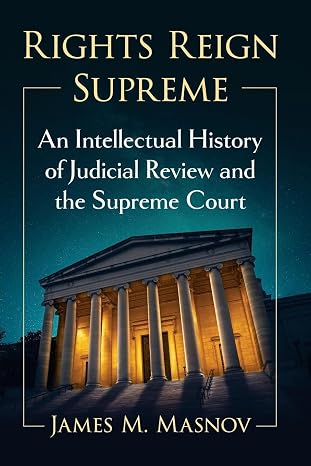
Rights Reign Supreme: An Intellectual History of Judicial Review and the Supreme Court
Listening to the Law: Reflections on the Court and Constitution
Blindspot: Hidden Biases of Good People
The Rule of Law
The Elements of Legal Style (2nd ed.)
The Supreme Court and the Attitudinal Model Revisited
Law of Judicial Precedent
On Writing Well
Point Made: How to Write Like the Nation’s Top Advocates (2nd ed.)
The Behavior of Federal Judges
Taking Rights Seriously
Point Taken: How to Write Like the World’s Best Judges
The Nature of the Judicial Process
Writing Deskbook for Administrative Judges: An Introduction
The Supreme Guide to Writing
Law’s Empire
The Death of Common Sense: How Law Is Suffocating America
Judicial Character in Hard Times: On the Role of Judicial Virtues in Defending the Rule of Law
A Matter of Interpretation: Federal Courts and the Law
Sentencing the Self-Convicted: The Ethics of Pleading Guilty
Thinking Like a Lawyer
Biased: Uncovering the Hidden Prejudice That Shapes What We See, Think, and Do
How Judges Decide Cases: Reading Writing
My Own Words
Democracy and Distrust
Scroll to Top