judicial-selecting-officials-nobg

Judicial Selecting Officials

information and services for those who select, recommend, or nominate judges, hearing officers, magistrates, and other judicial officers

Project and Protect Institutional Legitimacy

Judicial selection and evaluation carry responsibilities unlike any other public function. The decisions made in these processes shape not only individual careers, but the credibility, effectiveness, and independence of the judiciary itself.

Most selecting and evaluating officials recognize the weight of this role.

  • They assess candidates with strong legal credentials, but varying readiness for judging.
  • They evaluate performance across different courts, dockets, and institutional constraints.
  • They balance transparency, fairness, and confidentiality under public and political scrutiny.

Judicial selection and evaluation are consequential by design.

They demand disciplined judgment, structured processes, and a clear understanding of what judicial excellence actually looks like in practice.

Judicial consulting supports that responsibility.

Our services are designed specifically for officials and bodies charged with selecting, appointing, retaining, or evaluating judges—providing practical, judge-informed insight into how judicial performance should be assessed.

Informed by the Realities of Judicial Service

Our services are grounded in decades of judicial experience—reviewing applications, interviewing candidates, participating in evaluation processes, mentoring judges, and observing how selection and evaluation decisions play out over time.

  • We do not promote ideology.
  • We do not advance partisan outcomes.
  • We do not reduce judging to metrics alone.

Instead, we help selecting and evaluating officials:

  • Clarify criteria for judicial readiness and performance
  • Distinguish legal accomplishment from judicial capability
  • Design fair, consistent, and defensible evaluation frameworks
  • Identify strengths and risk factors early and accurately
  • Align selection and evaluation practices with institutional values

The focus is not control. It is credibility.

Who This Is For

Our judicial assessment and evaluation services are designed for:

  • Judicial nominating and selection commissions
  • Appointment and confirmation bodies
  • Judicial performance evaluation commissions
  • Court governance and oversight entities
  • Officials responsible for judicial accountability and quality

If your role requires making informed, principled judgments about judges and judicial candidates, these services are designed for you.

A Standards-Based Approach to Judicial Selection and Evaluation

Strong judicial institutions depend on thoughtful selection and meaningful evaluation. These processes work best when grounded in a clear understanding of judging as a professional practice, not merely a résumé of accomplishments.

The services below are designed to help you do exactly that.

Keynotes, Classes, and Services

Service
KJA - gavel only - changeable BG color

Independent Judicial Inquiries and Investigations

Ensure trust and transparency through discreet, independent inquiries conducted by seasoned judicial professionals.

Service
KJA - gavel only - changeable BG color

Judicial Evaluation Program Development

Build a fair, credible judicial evaluation system that promotes professionalism, accountability, and continuous improvement.

Service
KJA - gavel only - changeable BG color

Judicial Selection Consulting

Strengthen your judicial selection process with impartial, experience-based evaluation, ranking, and interview consultation or participation.

Books

Get the Bench Book!

the essential guide for judges

Remember:
For your library . . .
An Introduction to Implicit Bias
Judicial Recusal: Principles, Process and Problems
Implicit Racial Bias across the Law
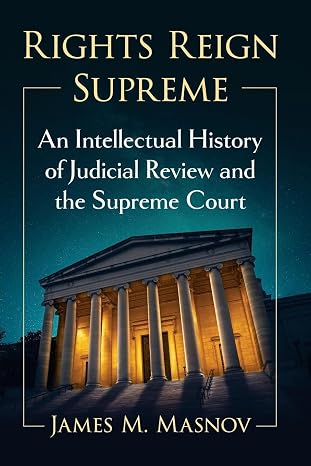
Rights Reign Supreme: An Intellectual History of Judicial Review and the Supreme Court
Judicial Character in Hard Times: On the Role of Judicial Virtues in Defending the Rule of Law
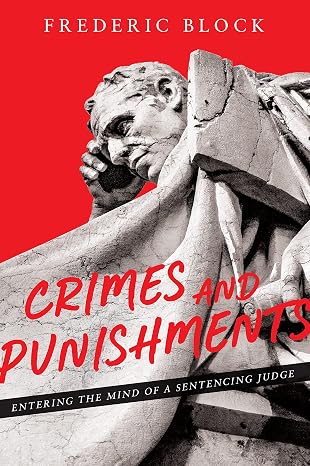
Crimes and Punishments: Entering the Mind of a Sentencing Judge
Blindspot: Hidden Biases of Good People
Point Made: How to Write Like the Nation’s Top Advocates (2nd ed.)
The Behavior of Federal Judges
The Great Dissenter: The Story of John Marshall Harlan, America’s Judicial Hero
A Judge’s Advice: 50 Years on the Bench
The Federalist Papers
Listening to the Law: Reflections on the Court and Constitution
The Book of Judges: Perspectives from the Bench
The Nature of the Judicial Process
The Supreme Court and the Attitudinal Model Revisited
Scalia Speaks: Reflections on Law, Faith, and Life Well Lived
Noise: A Flaw in Human Judgment
Judicial Reputation: A Comparative Theory
A Matter of Interpretation: Federal Courts and the Law
Opinion Writing (3rd ed.)
Taking Rights Seriously
Reading Law: The Interpretation of Legal Texts
The Least Dangerous Branch
The Judge in a Democracy
My Own Words
The Authority of Law
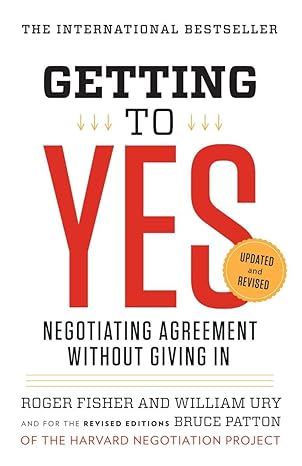
Getting to Yes: Negotiating Agreement Without Giving In
Race on the Brain: What Implicit Bias Gets Wrong About the Struggle for Racial Justice
The Machinery of Criminal Justice
Making Your Case: The Art of Persuading Judges
Sentencing the Self-Convicted: The Ethics of Pleading Guilty
Weapons of Math Destruction
The Death of Common Sense: How Law Is Suffocating America
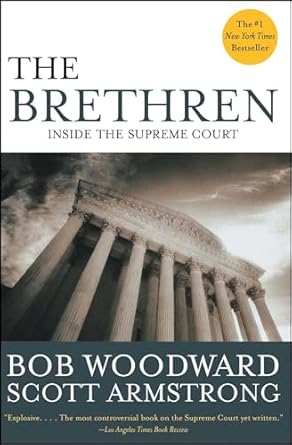
The Brethren: Inside the Supreme Court
Law of Judicial Precedent
The Elements of Legal Style (2nd ed.)
Writing Deskbook for Administrative Judges: An Introduction
Over Ruled: The Human Toll of Too Much Law
Free to Judge: The Power of Campaign Money in Judicial Elections
Who Am I to Judge?: Judicial Craft versus Constitutional Theory
Rehabilitating Criminal Justice: Innovations in Policing, Adjudication, and Sentencing
Democracy and Distrust
Judging Statutes
Point Taken: How to Write Like the World’s Best Judges
Thinking, Fast and Slow
Legal Writing: A Judge’s Perspective on the Science and Rhetoric of the Written Word
The Supreme Guide to Writing
Disrobed: An Inside Look at the Life and Work of a Federal Trial Judge
Law’s Empire
Judicial Decision-Making: A Coursebook
Thinking Like a Lawyer
Biased: Uncovering the Hidden Prejudice That Shapes What We See, Think, and Do
How Judges Think
The Gift of Fear
On Writing Well
So Ordered: The Writer’s Guide for Aspiring Judges, Judicial Clerks, and Interns
The Path of the Law
How Judges Decide Cases: Reading Writing
The Rule of Law
Sentencing without Guidelines
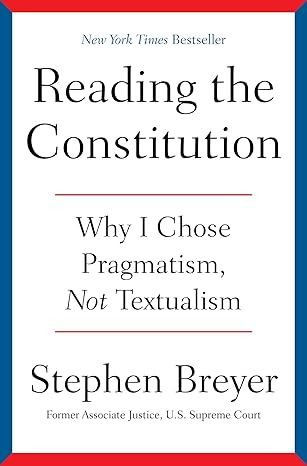
Reading the Constitution: Why I Chose Pragmatism, Not Textualism
Scroll to Top