Hearings & Trials

Mechanics of presiding: objections, evidence handling, jury management, self-represented litigants, courtroom control, remote/hybrid hearings, oral argument and evidentiary practice.

Bench Index Competency

Topic

Keynotes, Classes, and Services

Class
KJA - gavel only - changeable BG color

Advanced Courtroom Control Techniques

To advance judges’ skills in de-escalating conflicts and managing disruptions, drawing from real-world examples to ensure effective and temperate courtroom oversight.

Keynote
KJA - gavel only - changeable BG color

Appearance Matters: Projecting Judicial Excellence

To encourage mindful presentation, building camaraderie around professional image and system credibility.

Class
KJA - gavel only - changeable BG color

Avoiding Common Demeanor Pitfalls

To help judges recognize common demeanor mistakes and replace them with habits that protect dignity, neutrality, and public confidence.

Class
KJA - gavel only - changeable BG color

Bench and Technology Preparation

To ensure judges’ readiness with bench organization and technology, including contingencies for reliable courtroom operations.

Class
KJA - gavel only - changeable BG color

Best Practices for Effective Courtroom Leadership

To provide judges with practical techniques for maintaining courtroom control and decorum, promoting respectful and efficient proceedings through balanced leadership.

Class
KJA - gavel only - changeable BG color

Comprehensive Courtroom and Facility Preparation

To prepare judges for optimizing courtroom setups, coordinating with staff for safe and effective proceedings across case types.

Class
KJA - gavel only - changeable BG color

Conducting Remote and Hybrid Hearings

To prepare judges to run remote and hybrid proceedings that are as orderly, fair, and accessible as well-conducted in-person hearings.

Class
KJA - gavel only - changeable BG color

Crafting Clear and Thorough Findings of Fact

To strengthen judges’ ability to write findings of fact that are clear, logically organized, and sufficient for parties and reviewing courts to understand what was decided and why.

Class
KJA - gavel only - changeable BG color

Credibility Determinations and Demeanor Assessment

To improve judges’ credibility assessments by integrating structured analysis, awareness of bias, and appropriate use of demeanor in evaluating testimony.

Class
KJA - gavel only - changeable BG color

Defining Scope and Developing a Hearing Roadmap

To assist judges in framing hearings and creating logical roadmaps, preparing for efficient and focused proceedings.

Class
KJA - gavel only - changeable BG color

Effective Jury Selection (Voir Dire)

To strengthen judges’ ability to oversee voir dire in a way that uncovers bias, protects jurors, and produces a fair and impartial panel.

Class
KJA - gavel only - changeable BG color

Effective Time Management and Event Scheduling

To teach judges practical scheduling techniques, ensuring efficient docket progression while adhering to statutory timelines.

Class
KJA - gavel only - changeable BG color

Efficient Use of Time During Proceedings

To equip judges with strategies for using in-court time efficiently, minimizing downtime, and keeping proceedings on track without sacrificing fairness.

Keynote
KJA - gavel only - changeable BG color

Ensuring Access to Justice for Self-Represented Litigants

To empower judges to manage cases involving self-represented parties ethically, efficiently, and with dignity—ensuring access to justice while maintaining neutrality and the integrity of procedure.

Class
KJA - gavel only - changeable BG color

Fundamentals of Judicial Demeanor and Temperament

To ground judges in the core concepts of demeanor and temperament and to connect those concepts to daily choices on and off the bench.

Class
KJA - gavel only - changeable BG color

Handling Objections and Making Rulings

To refine objection management, ensuring timely, reasoned rulings that support fair trials.

Class
KJA - gavel only - changeable BG color

Hearing/Trial Scheduling, Continuances, and Case Closure

To guide judges in firm scheduling and closure practices, balancing efficiency with fairness in granting continuances.

Class
KJA - gavel only - changeable BG color

Jurors as Essential Partners in Justice

To deepen judges’ appreciation of jurors as justice partners and to develop practices that respect their role while maintaining proper boundaries.

Class
KJA - gavel only - changeable BG color

Managing Evidence Presentation and Jury Dynamics

To equip judges to coordinate evidence presentation with jury needs, managing pacing, breaks, and sidebars so that jurors can follow the story of the case.

Class
KJA - gavel only - changeable BG color

Mastering Burdens of Proof and Production

To clarify the distinctions and applications of evidentiary burdens in legal proceedings, equipping judges to explain and apply them accurately.

Class
KJA - gavel only - changeable BG color

Mastering Courtroom Players and Dynamics

To enable judges to understand and manage interactions among courtroom participants, ensuring ethical and fair proceedings for all involved.

Class
KJA - gavel only - changeable BG color

Opening and Structuring Hearings Effectively

To help judges open and structure hearings in ways that communicate expectations, reduce anxiety, and set a tone of order and respect.

Class
KJA - gavel only - changeable BG color

Preliminary and Final Jury Instructions

To improve judges’ design and delivery of preliminary and final instructions so that jurors understand the law they are sworn to apply.

Class
KJA - gavel only - changeable BG color

Pretrial Matters in Jury Trials

To help judges manage pretrial issues in jury cases so that trials begin on time, with clear rulings and a well-shaped evidentiary record.

Class
KJA - gavel only - changeable BG color

Shifting Burdens and Enforcement in Practice

To prepare judges to handle dynamic burden shifts and enforce them fairly, promoting efficient and just courtroom decision-making.

Keynote
KJA - gavel only - changeable BG color

Trauma-Informed Judging: Empathy in Action

To inspire judges to adopt trauma-informed approaches, enhancing system development by promoting fairer, more compassionate courts and building camaraderie through shared humane practices.

Class
KJA - gavel only - changeable BG color

Understanding Legal Issues and Preparing for Resolution

To deepen judges’ pre-proceeding comprehension of legal matters, readying them for decisive and well-prepared resolutions.

Books

Book cover
Erin Beeghly, Alex Madva
Book cover
Mahzarin R. Banaji, Anthony G. Greenwald
Book cover
Justin D. Levinson, Robert J. Smith
Book cover
Antonin Scalia; Bryan A. Garner

Get the Bench Book!

the essential guide for judges

Remember:
For your library . . .
Opinion Writing (3rd ed.)
The Behavior of Federal Judges
The Elements of Legal Style (2nd ed.)
Legal Writing: A Judge’s Perspective on the Science and Rhetoric of the Written Word
Judicial Character in Hard Times: On the Role of Judicial Virtues in Defending the Rule of Law
Sentencing without Guidelines
Biased: Uncovering the Hidden Prejudice That Shapes What We See, Think, and Do
Scalia Speaks: Reflections on Law, Faith, and Life Well Lived
Judicial Recusal: Principles, Process and Problems
A Matter of Interpretation: Federal Courts and the Law
Free to Judge: The Power of Campaign Money in Judicial Elections
Point Made: How to Write Like the Nation’s Top Advocates (2nd ed.)
The Machinery of Criminal Justice
Race on the Brain: What Implicit Bias Gets Wrong About the Struggle for Racial Justice
The Authority of Law
Getting to Yes: Negotiating Agreement Without Giving In
The Least Dangerous Branch
The Rule of Law
Noise: A Flaw in Human Judgment
The Gift of Fear
Democracy and Distrust
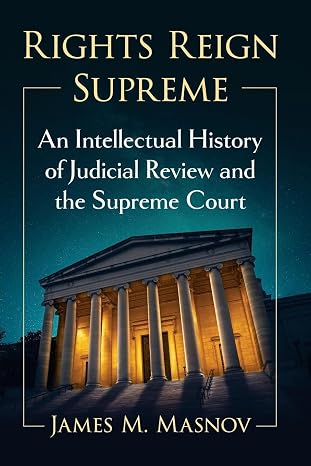
Rights Reign Supreme: An Intellectual History of Judicial Review and the Supreme Court
Judicial Decision-Making: A Coursebook
Point Taken: How to Write Like the World’s Best Judges
The Death of Common Sense: How Law Is Suffocating America
Reading Law: The Interpretation of Legal Texts
Law’s Empire
The Book of Judges: Perspectives from the Bench
The Nature of the Judicial Process
My Own Words
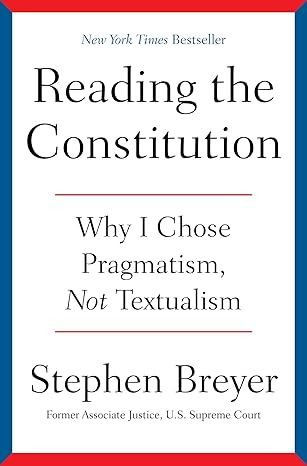
Reading the Constitution: Why I Chose Pragmatism, Not Textualism
The Judge in a Democracy
The Path of the Law
How Judges Think
Law of Judicial Precedent
A Judge’s Advice: 50 Years on the Bench
Writing Deskbook for Administrative Judges: An Introduction
Over Ruled: The Human Toll of Too Much Law
Who Am I to Judge?: Judicial Craft versus Constitutional Theory
Thinking, Fast and Slow
Implicit Racial Bias across the Law
Sentencing the Self-Convicted: The Ethics of Pleading Guilty
Blindspot: Hidden Biases of Good People
The Supreme Guide to Writing
Taking Rights Seriously
An Introduction to Implicit Bias
Listening to the Law: Reflections on the Court and Constitution
How Judges Decide Cases: Reading Writing
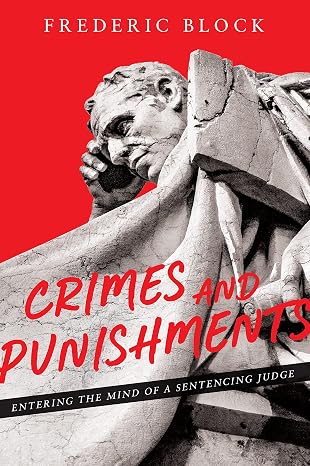
Crimes and Punishments: Entering the Mind of a Sentencing Judge
The Great Dissenter: The Story of John Marshall Harlan, America’s Judicial Hero
On Writing Well
The Supreme Court and the Attitudinal Model Revisited
Judging Statutes
Thinking Like a Lawyer
Weapons of Math Destruction
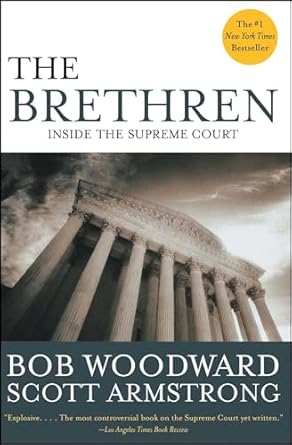
The Brethren: Inside the Supreme Court
Disrobed: An Inside Look at the Life and Work of a Federal Trial Judge
Rehabilitating Criminal Justice: Innovations in Policing, Adjudication, and Sentencing
Judicial Reputation: A Comparative Theory
The Federalist Papers
Making Your Case: The Art of Persuading Judges
So Ordered: The Writer’s Guide for Aspiring Judges, Judicial Clerks, and Interns
Scroll to Top