Judge Christopher A. Santoro
founder, Keystone Judicial Academy
Biography
Judge Christopher A. Santoro began his public service career as a police officer and New Hampshire district court prosecutor. He also served as an emergency medical technician in New Hampshire and in and around Boston, Massachusetts.
During nearly 30 years’ service in the active and reserve U.S. Air Force, he held a variety of assignments including legal advisor for a military hospital, chief local prosecutor, senior regional prosecutor. As a faculty member at the U.S. Air Force Judge Advocate General’s School, he taught criminal law and litigation around the world. He was mobilized during both Operations Enduring Freedom and Iraqi Freedom. In 2005, he was appointed a military (criminal) trial judge and rose to become the Chief Trial Judge for the U.S. Air Force Reserve and the Chief Reserve Judge on the U.S. Air Force Court of Criminal Appeals. Judge Santoro retired in 2017 as a colonel.
After leaving active duty in 2001, he joined the U.S. Department of Justice as a federal prosecutor and was selected by the Attorney General to oversee 9/11-related criminal investigations throughout the country. He later brought his experience to the newly-formed Department of Homeland Security. As deputy director of the Transportation Security Administration’s Office of Inspection, he led criminal and administrative investigations related to the nation’s transportation infrastructure and participated in covert testing and oversight of the nation’s airport security screening programs. He was then hand-selected for an assignment to Immigration and Customs Enforcement, where he evaluated, assessed, and supervised mass migration response plans.
In 2012, he received the first of his three civilian judicial appointments as an Assistant Chief Immigration Judge. In 2017 he was elevated to the Senior Executive Service and appointed as Principal Deputy Chief Immigration Judge. As acting Chief U.S. Immigration Judge from 2019-2020, he oversaw the operations of more than 500 immigration judges, more than 2,000 attorneys and professional support staff, and court operations at 69 locations. He led the immigration courts during the largest number of judicial appointments to date and navigated the courts through the early stages of COVID-19 pandemic operations.
In July, 2020, Judge Santoro was appointed as Deputy Vice Chairman of the Board of Veterans’ Appeals. As the Senior Deputy Vice Chairman and a Presidentially-approved Veterans Law Judge, he supervised more than 130 judges and 1,100 attorneys and professional staff. Under his leadership, the Board had four record-breaking years for hearings held, cases adjudicated, judges appointed, and attorneys hired and trained.
Prior to his public service career, Judge Santoro served as the national remote customer service supervisor for QuantumLink, the telecommunications company that later became America Online. He worked for AOL until joining the police department in 1988.

Remember:
Avoid broad statements of principle when a narrow ruling will suffice.
A trial courtroom is not a place to declare philosophy; it is a place to issue decisions.
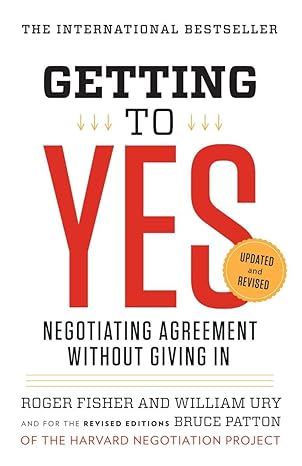
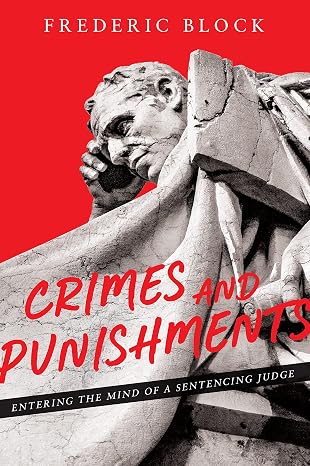
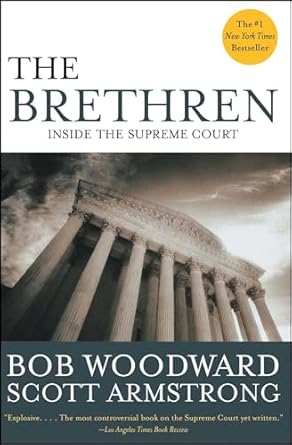
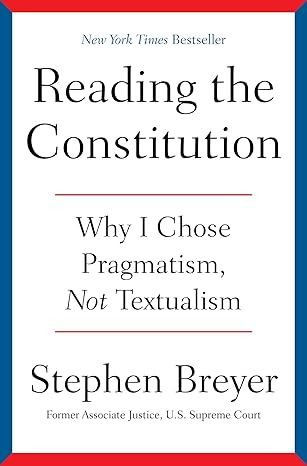
For your library . . .