D3-Legal Acumen

Legal Acumen

The ability to apply thorough knowledge of legal principles, statutes, regulations, case law, and other authorities accurately. It includes staying updated through continuing legal education, conducting thorough research, and mastering complex legal issues.

Bench Index Competency

Topic

Keynotes, Classes, and Services

Class
KJA - gavel only - changeable BG color

Applying Burdens and Standards to Fact-Finding

To help judges consciously weave burdens of proof and applicable standards into their fact-finding so that outcomes track the law’s requirements.

Class
KJA - gavel only - changeable BG color

Becoming and Remaining Proficient in Substantive Law

To provide judges with strategies for mastering and updating legal knowledge, ensuring informed and current adjudication in their jurisdiction.

Service
KJA - gavel only - changeable BG color

Curriculum Design for Judicial Education

Build impactful judicial education programs with expert curriculum design grounded in adult learning and bench experience.

Class
KJA - gavel only - changeable BG color

Defining Scope and Developing a Hearing Roadmap

To assist judges in framing hearings and creating logical roadmaps, preparing for efficient and focused proceedings.

Class
KJA - gavel only - changeable BG color

Developing a Personal Judicial Philosophy

To guide judges in articulating a grounded, self-aware judicial philosophy that can inform decisions without compromising impartiality or legal fidelity.

Class
KJA - gavel only - changeable BG color

Handling Objections and Making Rulings

To refine objection management, ensuring timely, reasoned rulings that support fair trials.

Service
KJA - gavel only - changeable BG color

Judicial Evaluation Program Development

Build a fair, credible judicial evaluation system that promotes professionalism, accountability, and continuous improvement.

Class
KJA - gavel only - changeable BG color

Mastering Burdens of Proof and Production

To clarify the distinctions and applications of evidentiary burdens in legal proceedings, equipping judges to explain and apply them accurately.

Keynote
KJA - gavel only - changeable BG color

Mastering Legal Knowledge: Proficiency for Fair Adjudication

To motivate judges to commit to lifelong learning in substantive law, promoting system development through consistent, informed decision-making.

Class
KJA - gavel only - changeable BG color

Opening and Structuring Hearings Effectively

To help judges open and structure hearings in ways that communicate expectations, reduce anxiety, and set a tone of order and respect.

Class
KJA - gavel only - changeable BG color

Preliminary and Final Jury Instructions

To improve judges’ design and delivery of preliminary and final instructions so that jurors understand the law they are sworn to apply.

Class
KJA - gavel only - changeable BG color

Preserving the Irreplaceable Human Element in Judging

To affirm the essential human aspects of judging amid technological advances, ensuring balanced integration that maintains trust and judgment.

Class
KJA - gavel only - changeable BG color

Shifting Burdens and Enforcement in Practice

To prepare judges to handle dynamic burden shifts and enforce them fairly, promoting efficient and just courtroom decision-making.

Class
KJA - gavel only - changeable BG color

The Judge as Public Face of the Rule of Law

To emphasize the judge’s role in embodying the legal system, exploring ways to maintain public trust through conduct that balances independence and accountability.

Class
KJA - gavel only - changeable BG color

The Universal Decisional Framework

To give judges a simple, repeatable framework for organizing their reasoning so that decisions are transparent, coherent, and easier to explain.

Class
KJA - gavel only - changeable BG color

The Value and Impact of Appellate Review

To demystify appellate review for trial-level judges and show how to use appellate feedback as a constructive tool for improving practice.

Class
KJA - gavel only - changeable BG color

Understanding and Applying Standards of Review

To define and differentiate appellate standards, enabling judges to make rulings that are informed by their potential for review and reversal.

Class
KJA - gavel only - changeable BG color

Understanding Legal Issues and Preparing for Resolution

To deepen judges’ pre-proceeding comprehension of legal matters, readying them for decisive and well-prepared resolutions.

Books

Book cover
How Judges Decide Cases: Reading Writing
Andrew Goodman
Book cover
Richard A. Posner
Book cover
Robert A. Katzmann
Book cover
Barry Friedman, Margaret Lemos, Andrew Martin, Tom Clark, Allison Larsen, Anna Harvey
Book cover
Ronald Dworkin
Book cover
Antonin Scalia; Bryan A. Garner
Book cover
Ruggero J. Aldisert
Book cover
Antonin Scalia; Bryan A. Garner
Book cover
Ronald Dworkin
Book cover
Alexander M. Bickel
Book cover
Oliver Wendell Holmes Jr.

Get the Bench Book!

the essential guide for judges

Remember:
For your library . . .
Point Made: How to Write Like the Nation’s Top Advocates (2nd ed.)
Implicit Racial Bias across the Law
The Book of Judges: Perspectives from the Bench
Opinion Writing (3rd ed.)
The Path of the Law
Weapons of Math Destruction
The Authority of Law
Blindspot: Hidden Biases of Good People
Judging Statutes
Making Your Case: The Art of Persuading Judges
The Death of Common Sense: How Law Is Suffocating America
On Writing Well
Free to Judge: The Power of Campaign Money in Judicial Elections
Thinking, Fast and Slow
Writing Deskbook for Administrative Judges: An Introduction
The Judge in a Democracy
Democracy and Distrust
How Judges Decide Cases: Reading Writing
My Own Words
So Ordered: The Writer’s Guide for Aspiring Judges, Judicial Clerks, and Interns
The Rule of Law
The Supreme Court and the Attitudinal Model Revisited
The Great Dissenter: The Story of John Marshall Harlan, America’s Judicial Hero
The Nature of the Judicial Process
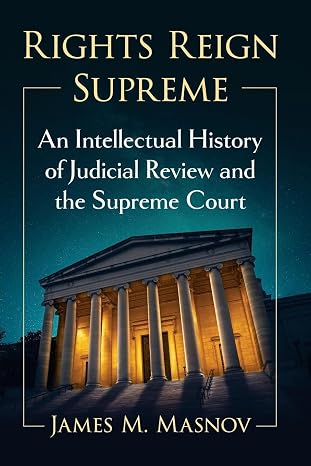
Rights Reign Supreme: An Intellectual History of Judicial Review and the Supreme Court
Listening to the Law: Reflections on the Court and Constitution
Judicial Recusal: Principles, Process and Problems
A Matter of Interpretation: Federal Courts and the Law
The Behavior of Federal Judges
How Judges Think
Reading Law: The Interpretation of Legal Texts
Point Taken: How to Write Like the World’s Best Judges
Crimes and Punishments: Entering the Mind of a Sentencing Judge
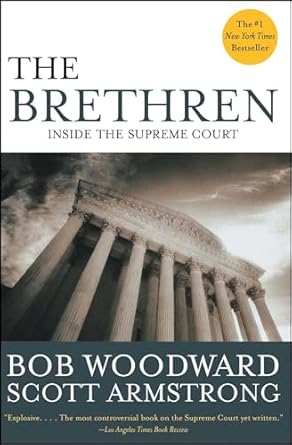
The Brethren: Inside the Supreme Court
Who Am I to Judge?: Judicial Craft versus Constitutional Theory
An Introduction to Implicit Bias
The Elements of Legal Style (2nd ed.)
Over Ruled: The Human Toll of Too Much Law
Getting to Yes: Negotiating Agreement Without Giving In
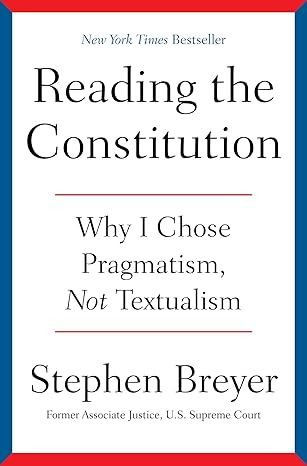
Reading the Constitution: Why I Chose Pragmatism, Not Textualism
The Gift of Fear
Taking Rights Seriously
Judicial Character in Hard Times: On the Role of Judicial Virtues in Defending the Rule of Law
Biased: Uncovering the Hidden Prejudice That Shapes What We See, Think, and Do
Sentencing without Guidelines
Disrobed: An Inside Look at the Life and Work of a Federal Trial Judge
Judicial Decision-Making: A Coursebook
Law’s Empire
The Supreme Guide to Writing
The Federalist Papers
Law of Judicial Precedent
The Least Dangerous Branch
The Machinery of Criminal Justice
Thinking Like a Lawyer
Rehabilitating Criminal Justice: Innovations in Policing, Adjudication, and Sentencing
Noise: A Flaw in Human Judgment
Legal Writing: A Judge’s Perspective on the Science and Rhetoric of the Written Word
Judicial Reputation: A Comparative Theory
Sentencing the Self-Convicted: The Ethics of Pleading Guilty
A Judge’s Advice: 50 Years on the Bench
Scalia Speaks: Reflections on Law, Faith, and Life Well Lived
Race on the Brain: What Implicit Bias Gets Wrong About the Struggle for Racial Justice
Scroll to Top