E4-Empowerment

Empowerment

The ability to foster professional growth of court staff and colleagues through mentoring, effective delegation, and recognition of contributions. It involves supporting development opportunities and building a collaborative court environment to enhance retention and performance.

Bench Index Competency

Topic

Keynotes, Classes, and Services

Class
KJA - gavel only - changeable BG color

Best Practices for Courthouse Leadership

To guide judges in applying leadership principles to courthouse management, fostering ethical, communicative, and effective oversight of operations and staff.

Class
KJA - gavel only - changeable BG color

Best Practices for Effective Courtroom Leadership

To provide judges with practical techniques for maintaining courtroom control and decorum, promoting respectful and efficient proceedings through balanced leadership.

Service
KJA - gavel only - changeable BG color

Court Culture and Climate Assessments

Gain a clear picture of your court’s internal culture with a confidential assessment that highlights strengths and growth opportunities.

Service
KJA - gavel only - changeable BG color

Curriculum Design for Judicial Education

Build impactful judicial education programs with expert curriculum design grounded in adult learning and bench experience.

Service
KJA - gavel only - changeable BG color

Judicial Evaluation Program Development

Build a fair, credible judicial evaluation system that promotes professionalism, accountability, and continuous improvement.

Service
KJA - gavel only - changeable BG color

Leadership Coaching for Presiding Judges

Lead your court with confidence through individualized coaching focused on administration, communication, and team dynamics.

Class
KJA - gavel only - changeable BG color

Mastering Courtroom Players and Dynamics

To enable judges to understand and manage interactions among courtroom participants, ensuring ethical and fair proceedings for all involved.

Class
KJA - gavel only - changeable BG color

The Judge as Leader in the Courthouse: Overview and Principles

To outline the judge’s leadership role in the courtroom, distinguishing operational and procedural aspects while addressing challenges that impact public perceptions of justice.

Class
KJA - gavel only - changeable BG color

Understanding Your Courthouse Team

To equip judges with knowledge of courthouse team roles and functions, promoting collaborative relationships that enhance judicial efficiency and the administration of justice.

Books

Get the Bench Book!

the essential guide for judges

Remember:
For your library . . .
Taking Rights Seriously
Opinion Writing (3rd ed.)
Making Your Case: The Art of Persuading Judges
Sentencing the Self-Convicted: The Ethics of Pleading Guilty
The Death of Common Sense: How Law Is Suffocating America
Judging Statutes
Thinking Like a Lawyer
The Supreme Court and the Attitudinal Model Revisited
Writing Deskbook for Administrative Judges: An Introduction
Law’s Empire
The Book of Judges: Perspectives from the Bench
Democracy and Distrust
Thinking, Fast and Slow
Noise: A Flaw in Human Judgment
A Judge’s Advice: 50 Years on the Bench
The Rule of Law
The Behavior of Federal Judges
Free to Judge: The Power of Campaign Money in Judicial Elections
Point Made: How to Write Like the Nation’s Top Advocates (2nd ed.)
Scalia Speaks: Reflections on Law, Faith, and Life Well Lived
The Great Dissenter: The Story of John Marshall Harlan, America’s Judicial Hero
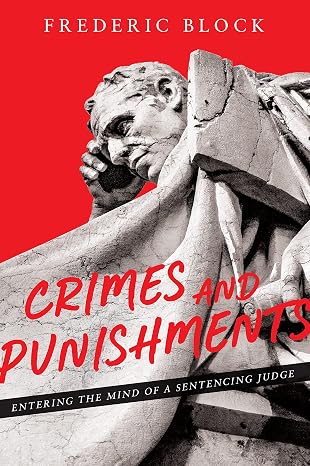
Crimes and Punishments: Entering the Mind of a Sentencing Judge
The Federalist Papers
Rehabilitating Criminal Justice: Innovations in Policing, Adjudication, and Sentencing
The Nature of the Judicial Process
Judicial Decision-Making: A Coursebook
The Machinery of Criminal Justice
Point Taken: How to Write Like the World’s Best Judges
The Elements of Legal Style (2nd ed.)
Over Ruled: The Human Toll of Too Much Law
Who Am I to Judge?: Judicial Craft versus Constitutional Theory
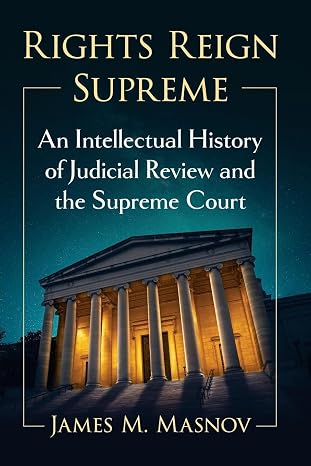
Rights Reign Supreme: An Intellectual History of Judicial Review and the Supreme Court
Getting to Yes: Negotiating Agreement Without Giving In
My Own Words
Weapons of Math Destruction
An Introduction to Implicit Bias
The Authority of Law
Judicial Character in Hard Times: On the Role of Judicial Virtues in Defending the Rule of Law
The Judge in a Democracy
The Path of the Law
A Matter of Interpretation: Federal Courts and the Law
Reading Law: The Interpretation of Legal Texts
Blindspot: Hidden Biases of Good People
Sentencing without Guidelines
Disrobed: An Inside Look at the Life and Work of a Federal Trial Judge
Legal Writing: A Judge’s Perspective on the Science and Rhetoric of the Written Word
How Judges Decide Cases: Reading Writing
The Least Dangerous Branch
How Judges Think
Law of Judicial Precedent
Implicit Racial Bias across the Law
The Supreme Guide to Writing
Race on the Brain: What Implicit Bias Gets Wrong About the Struggle for Racial Justice
Judicial Reputation: A Comparative Theory
Judicial Recusal: Principles, Process and Problems
On Writing Well
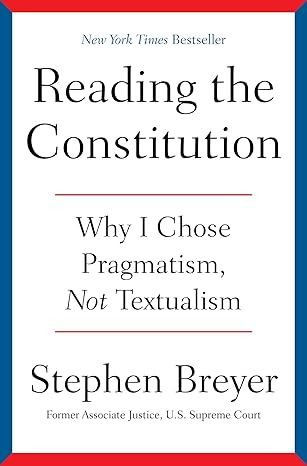
Reading the Constitution: Why I Chose Pragmatism, Not Textualism
So Ordered: The Writer’s Guide for Aspiring Judges, Judicial Clerks, and Interns
The Gift of Fear
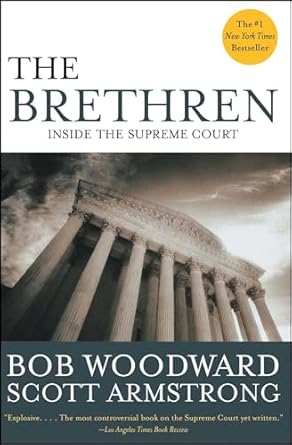
The Brethren: Inside the Supreme Court
Listening to the Law: Reflections on the Court and Constitution
Biased: Uncovering the Hidden Prejudice That Shapes What We See, Think, and Do
Scroll to Top