U2-Attentiveness

Attentiveness

The ability to listen actively and remain fully present during judicial proceedings, ensuring all parties’ arguments and concerns are understood. It involves focusing on verbal and non-verbal cues, asking clarifying questions, and showing engagement to foster trust and fairness.

Bench Index Competency

Topic

Keynotes, Classes, and Services

Class
KJA - gavel only - changeable BG color

Advanced Courtroom Control Techniques

To advance judges’ skills in de-escalating conflicts and managing disruptions, drawing from real-world examples to ensure effective and temperate courtroom oversight.

Class
KJA - gavel only - changeable BG color

Avoiding Common Demeanor Pitfalls

To help judges recognize common demeanor mistakes and replace them with habits that protect dignity, neutrality, and public confidence.

Class
KJA - gavel only - changeable BG color

Best Practices for Effective Courtroom Leadership

To provide judges with practical techniques for maintaining courtroom control and decorum, promoting respectful and efficient proceedings through balanced leadership.

Service
KJA - gavel only - changeable BG color

Court Culture and Climate Assessments

Gain a clear picture of your court’s internal culture with a confidential assessment that highlights strengths and growth opportunities.

Class
KJA - gavel only - changeable BG color

Credibility Determinations and Demeanor Assessment

To improve judges’ credibility assessments by integrating structured analysis, awareness of bias, and appropriate use of demeanor in evaluating testimony.

Service
KJA - gavel only - changeable BG color

Curriculum Design for Judicial Education

Build impactful judicial education programs with expert curriculum design grounded in adult learning and bench experience.

Keynote
KJA - gavel only - changeable BG color

Effective Courtroom Control: Order, Authority, and Fairness in Daily Practice

To provide judges with a practical framework for establishing authority, structuring proceedings, preventing disruption, and instilling confidence in the judicial process through disciplined control methods that are firm, fair, and legally grounded.

Class
KJA - gavel only - changeable BG color

Effective Jury Selection (Voir Dire)

To strengthen judges’ ability to oversee voir dire in a way that uncovers bias, protects jurors, and produces a fair and impartial panel.

Keynote
KJA - gavel only - changeable BG color

Ensuring Access to Justice for Self-Represented Litigants

To empower judges to manage cases involving self-represented parties ethically, efficiently, and with dignity—ensuring access to justice while maintaining neutrality and the integrity of procedure.

Class
KJA - gavel only - changeable BG color

Fundamentals of Judicial Demeanor and Temperament

To ground judges in the core concepts of demeanor and temperament and to connect those concepts to daily choices on and off the bench.

Service
KJA - gavel only - changeable BG color

Judicial Evaluation Program Development

Build a fair, credible judicial evaluation system that promotes professionalism, accountability, and continuous improvement.

Class
KJA - gavel only - changeable BG color

Managing Evidence Presentation and Jury Dynamics

To equip judges to coordinate evidence presentation with jury needs, managing pacing, breaks, and sidebars so that jurors can follow the story of the case.

Class
KJA - gavel only - changeable BG color

Mastering Courtroom Players and Dynamics

To enable judges to understand and manage interactions among courtroom participants, ensuring ethical and fair proceedings for all involved.

Keynote
KJA - gavel only - changeable BG color

Scales of Justice: Weighing Evidence with Integrity

To motivate fair evidence evaluation, promoting system development via consistent, motivated fact-finding.

Class
KJA - gavel only - changeable BG color

The Judge as Leader in the Courthouse: Overview and Principles

To outline the judge’s leadership role in the courtroom, distinguishing operational and procedural aspects while addressing challenges that impact public perceptions of justice.

Books

Book cover
Erin Beeghly, Alex Madva
Book cover
Mahzarin R. Banaji, Anthony G. Greenwald
Book cover
Justin D. Levinson, Robert J. Smith
Book cover
Ruth Bader Ginsburg
Book cover
Gavin de Becker

Get the Bench Book!

the essential guide for judges

Remember:
For your library . . .
Making Your Case: The Art of Persuading Judges
Free to Judge: The Power of Campaign Money in Judicial Elections
Race on the Brain: What Implicit Bias Gets Wrong About the Struggle for Racial Justice
How Judges Think
Rehabilitating Criminal Justice: Innovations in Policing, Adjudication, and Sentencing
Reading Law: The Interpretation of Legal Texts
Judicial Decision-Making: A Coursebook
The Federalist Papers
The Judge in a Democracy
The Nature of the Judicial Process
Sentencing without Guidelines
So Ordered: The Writer’s Guide for Aspiring Judges, Judicial Clerks, and Interns
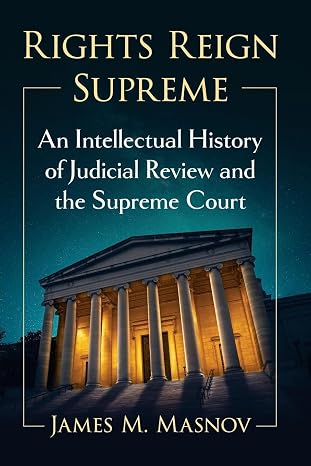
Rights Reign Supreme: An Intellectual History of Judicial Review and the Supreme Court
Legal Writing: A Judge’s Perspective on the Science and Rhetoric of the Written Word
Judicial Recusal: Principles, Process and Problems
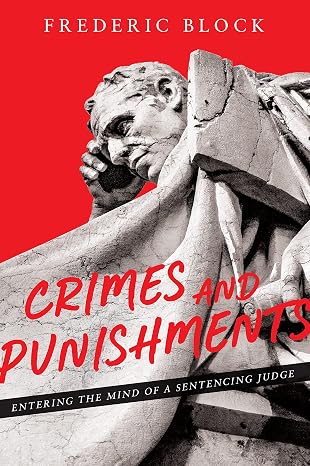
Crimes and Punishments: Entering the Mind of a Sentencing Judge
Judicial Character in Hard Times: On the Role of Judicial Virtues in Defending the Rule of Law
Judging Statutes
My Own Words
The Great Dissenter: The Story of John Marshall Harlan, America’s Judicial Hero
The Elements of Legal Style (2nd ed.)
The Authority of Law
Judicial Reputation: A Comparative Theory
Getting to Yes: Negotiating Agreement Without Giving In
The Behavior of Federal Judges
Opinion Writing (3rd ed.)
Thinking, Fast and Slow
Weapons of Math Destruction
Democracy and Distrust
Point Made: How to Write Like the Nation’s Top Advocates (2nd ed.)
The Rule of Law
Biased: Uncovering the Hidden Prejudice That Shapes What We See, Think, and Do
Scalia Speaks: Reflections on Law, Faith, and Life Well Lived
Noise: A Flaw in Human Judgment
Who Am I to Judge?: Judicial Craft versus Constitutional Theory
The Brethren: Inside the Supreme Court
Implicit Racial Bias across the Law
Thinking Like a Lawyer
Reading the Constitution: Why I Chose Pragmatism, Not Textualism
A Judge’s Advice: 50 Years on the Bench
A Matter of Interpretation: Federal Courts and the Law
Taking Rights Seriously
The Gift of Fear
The Death of Common Sense: How Law Is Suffocating America
An Introduction to Implicit Bias
Sentencing the Self-Convicted: The Ethics of Pleading Guilty
Law of Judicial Precedent
The Path of the Law
Point Taken: How to Write Like the World’s Best Judges
Over Ruled: The Human Toll of Too Much Law
Blindspot: Hidden Biases of Good People
The Machinery of Criminal Justice
The Supreme Court and the Attitudinal Model Revisited
The Least Dangerous Branch
How Judges Decide Cases: Reading Writing
Writing Deskbook for Administrative Judges: An Introduction
Law’s Empire
On Writing Well
The Book of Judges: Perspectives from the Bench
The Supreme Guide to Writing
Disrobed: An Inside Look at the Life and Work of a Federal Trial Judge
Listening to the Law: Reflections on the Court and Constitution
Scroll to Top